%2Ffit-in%2F250x250%2Fguide_websites%2F20067%2Fimages%2F1734030760774311661197_10159134842487864_7932787738500597707_n.jpg&w=1920&q=100)
/users/26a80541-168f-4cdd-9a5a-dde69dc62cfb/ratecard/5f03f43cefbe088de59b51a1d9fab4b3-mf7xhnc0.jpg)
%2F300x300%2Fusers%2F26a80541-168f-4cdd-9a5a-dde69dc62cfb%2Fratecard%2F5f03f43cefbe088de59b51a1d9fab4b3-mf7xhnc0.jpg&w=256&q=75)
%2F300x300%2Fusers%2F26a80541-168f-4cdd-9a5a-dde69dc62cfb%2Fimages%2Fsnook-catch-bonita-springs-2533.jpg&w=256&q=75)
%2F300x300%2Fusers%2F26a80541-168f-4cdd-9a5a-dde69dc62cfb%2Fimages%2Fspotted-weakfish-bonita-springs-2514.jpg&w=256&q=75)
%2F300x300%2Fusers%2F26a80541-168f-4cdd-9a5a-dde69dc62cfb%2Fimages%2Fcrevalle-jack-florida-fishing-2431.jpg&w=256&q=75)
%2F300x300%2Fusers%2F26a80541-168f-4cdd-9a5a-dde69dc62cfb%2Fimages%2Fredfish-bonita-springs-2601.jpg&w=256&q=75)
%2F300x300%2Fusers%2F26a80541-168f-4cdd-9a5a-dde69dc62cfb%2Fimages%2Fbest-great-fishing-trip-fl-2474.jpg&w=256&q=75)
%2F300x300%2Fusers%2F26a80541-168f-4cdd-9a5a-dde69dc62cfb%2Fimages%2Fanglers-fishing-florida-2526.jpg&w=256&q=75)
%2F300x300%2Fusers%2F26a80541-168f-4cdd-9a5a-dde69dc62cfb%2Fimages%2Ffishing-adventure-florida-2585.jpg&w=256&q=75)
%2F300x300%2Fusers%2F26a80541-168f-4cdd-9a5a-dde69dc62cfb%2Fimages%2Fbest-catch-day-fl-2412.jpg&w=256&q=75)
%2F300x300%2Fusers%2F26a80541-168f-4cdd-9a5a-dde69dc62cfb%2Fimages%2Fsummer-flounder-bonita-springs-2480.jpg&w=256&q=75)
%2F300x300%2Fusers%2F26a80541-168f-4cdd-9a5a-dde69dc62cfb%2Fimages%2Fredfish-caught-florida-2583.jpg&w=256&q=75)
Expert-Guided Bonita Springs Inshore Fishing
 Bonita Springs
What you will be catching:
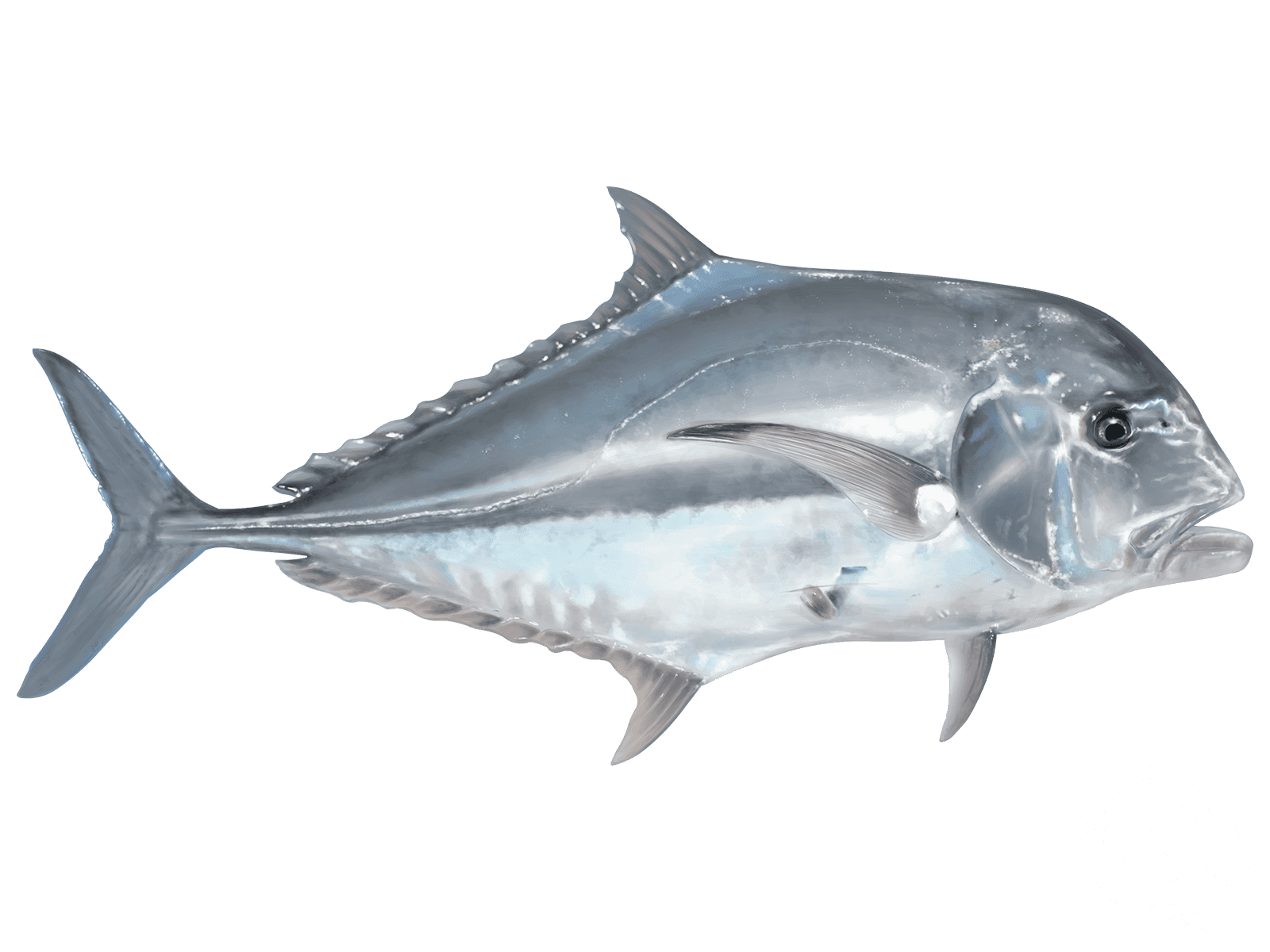
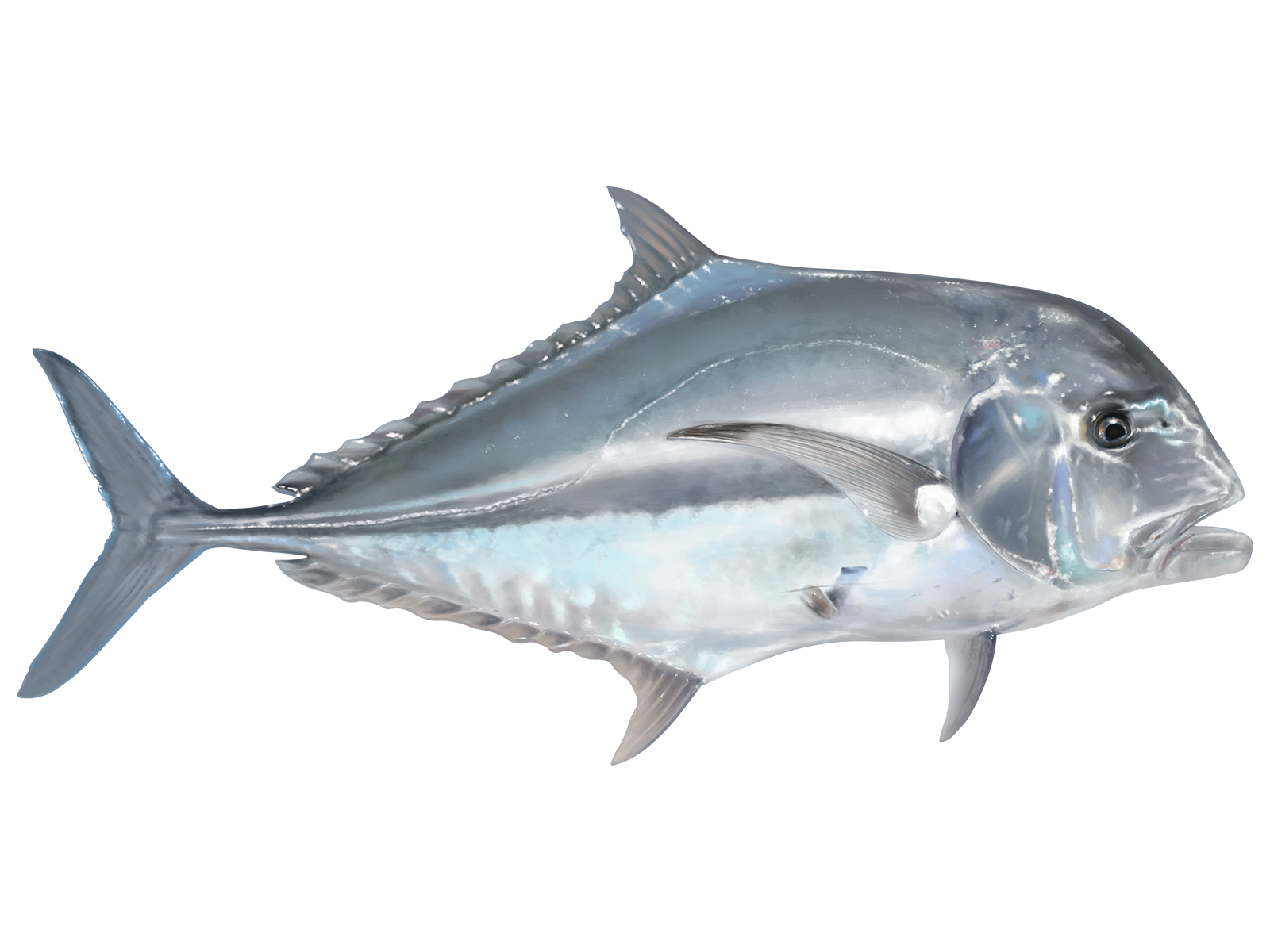 African Pompano
 Black Drum
 Redfish
 Sheepshead
 Snook
Snook
- 4-hour beginner-friendly fishing trip accommodating up to 4 guests in calm Gulf Coast waters
- Target Snook, Redfish, Spanish Mackerel, and Pompano with provided gear and expert guidance
- Relaxed inshore fishing experience through Bonita Springs backwaters and nearshore locations
Trip Pricing and Availabilities:
Beginner's Paradise: Half-Day Inshore Fishing in Bonita Springs
Get ready to reel in some fun on this laid-back 4-hour fishing trip perfect for newbies and families. We'll cruise the calm backwaters of Bonita Springs, giving you a taste of what Florida fishing is all about. With room for up to 4 people, it's the ideal way to spend a relaxed morning on the water while trying your hand at catching some of the area's most popular inshore species. No experience? No problem. Your captain's got you covered with all the gear and know-how you need to get hooked on fishing.
What to Expect on the Water
We'll kick things off bright and early, meeting at the dock where your captain will get you settled on the boat. As we head out, you'll get to soak in the beautiful coastal scenery of Bonita Springs. The backwaters here are calm and protected, making for a smooth ride and easy fishing - perfect if you're worried about seasickness. Your captain will take you to some local honey holes where the fish are biting. You might find yourself casting near mangroves, over grass flats, or around oyster bars. The variety keeps things interesting, and you never know what you might catch next!
Fishing 101: Gear and Techniques
Don't sweat it if you've never held a rod before - we've got you covered. Your captain will set you up with quality rods, reels, and tackle suited for the day's conditions and target species. You'll learn the basics of casting, how to work different lures, and the art of setting the hook when you feel that telltale tug. We might use live bait like shrimp or pinfish, or try out some artificial lures. Depending on where the fish are biting, we could be doing anything from light tackle casting to bottom fishing. The best part? Your captain will be right there to guide you every step of the way, from baiting your hook to landing your catch.
Species You'll Want to Hook
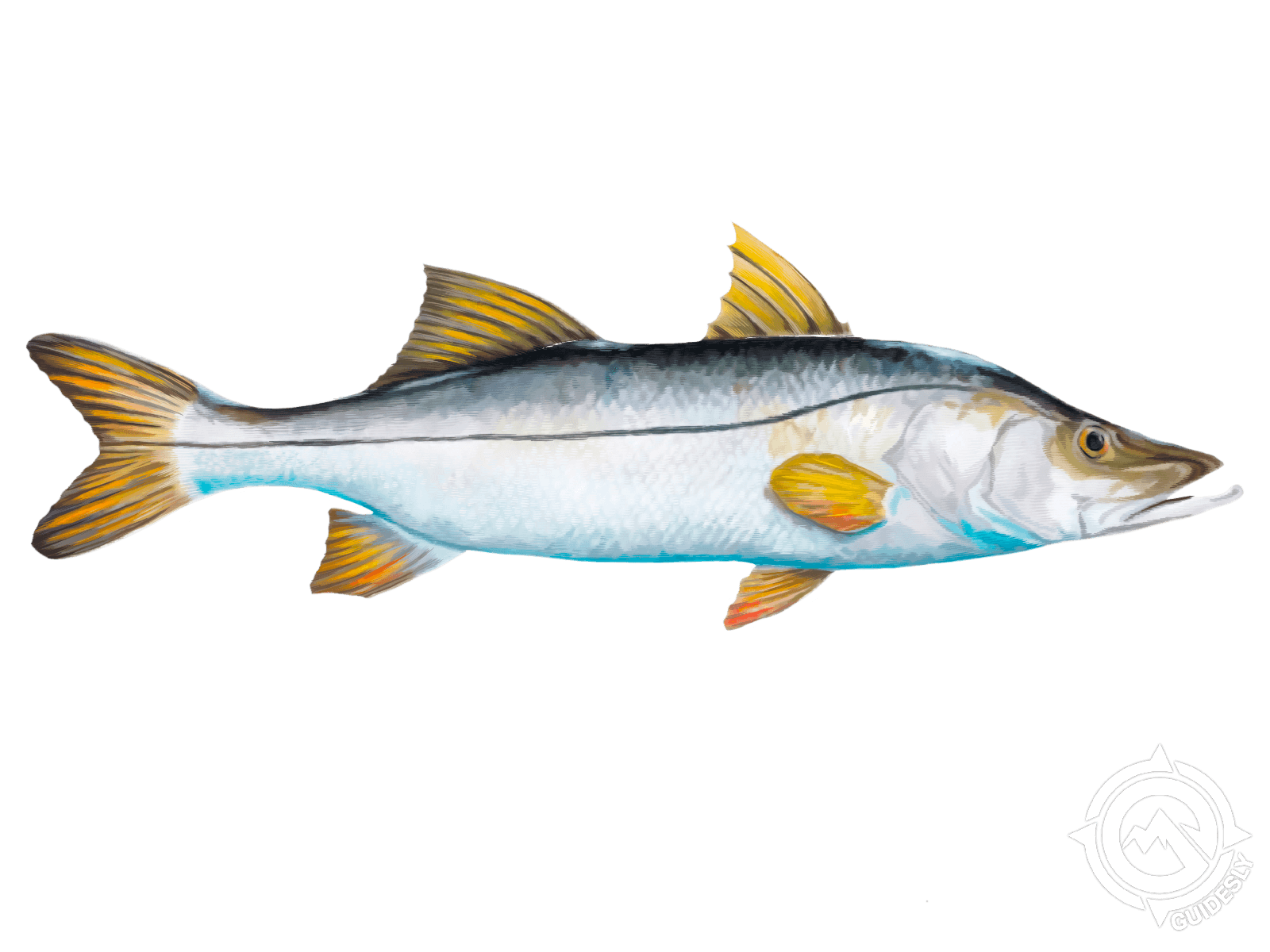
Snook: These hard-fighting fish are a Florida favorite. Known for their distinctive black lateral line and protruding lower jaw, snook love to hang out around structure like mangroves and docks. They're most active in the warmer months and put up an amazing fight, often leaping clear out of the water. Catching a big snook is definitely something to brag about!
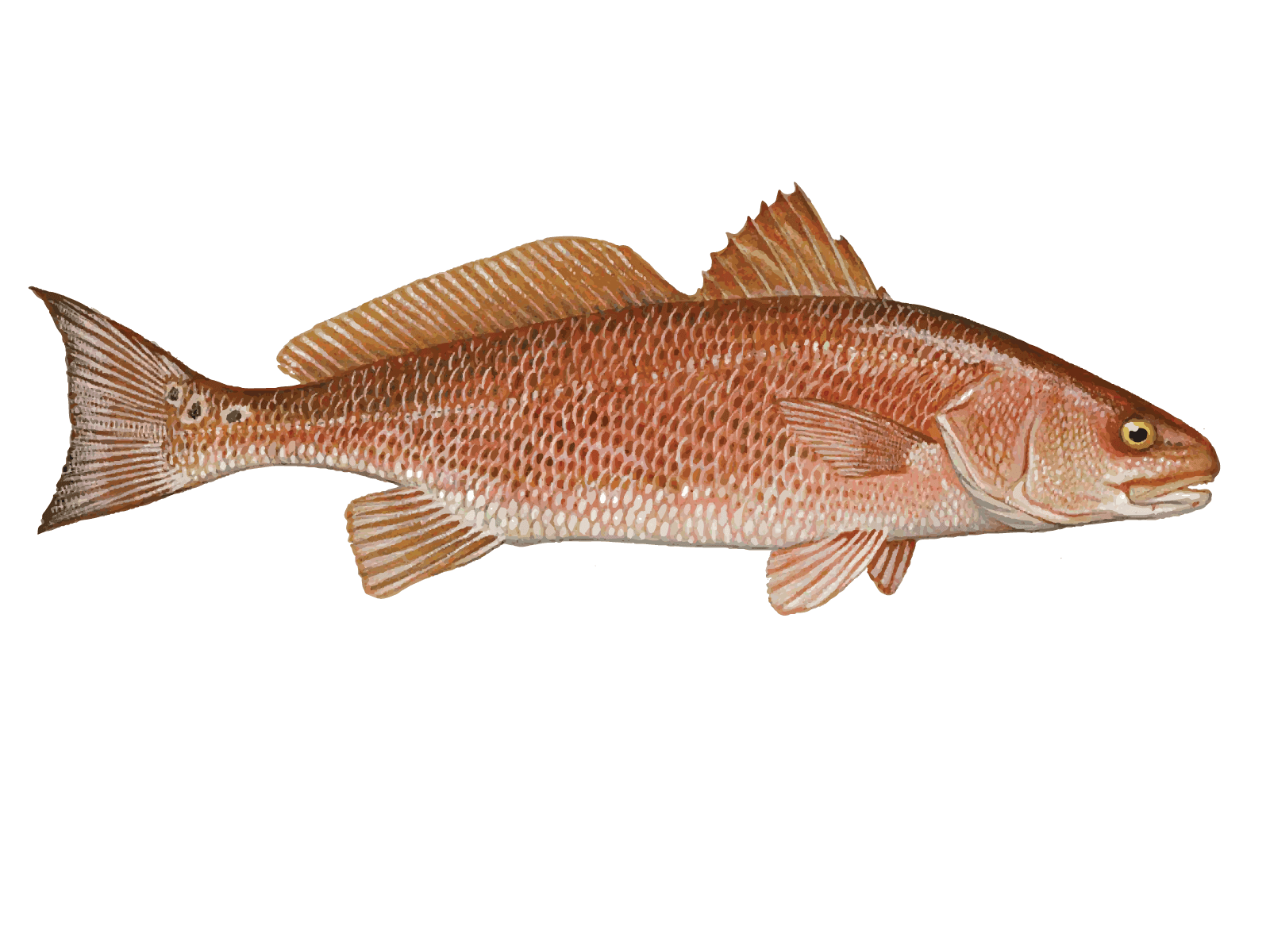
Redfish: Also called red drum, these copper-colored beauties are known for their distinctive black spot near the tail. Redfish are year-round residents in Bonita Springs, but the fall is prime time when big schools move into the shallows. They're great for beginners because they're not too picky about bait and give a good, steady fight when hooked.
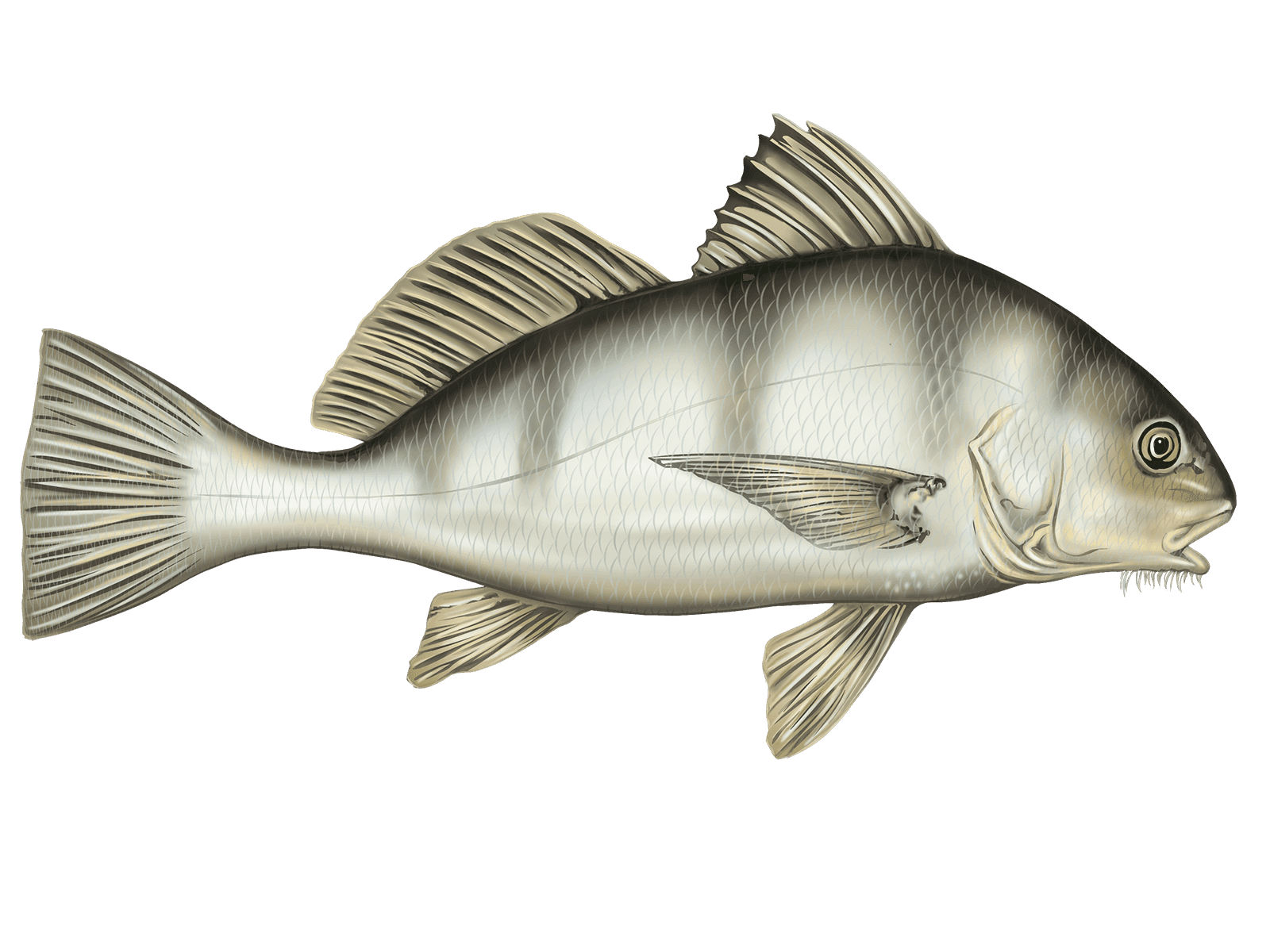
Black Drum: These cousins of the redfish are like the gentle giants of inshore waters. They can grow to massive sizes, but even the smaller ones put up a respectable fight. Black drum have a unique ability to make a croaking sound, which is why some anglers call them "puppies." They're bottom feeders, so we'll often use natural baits like shrimp or crab to entice them.
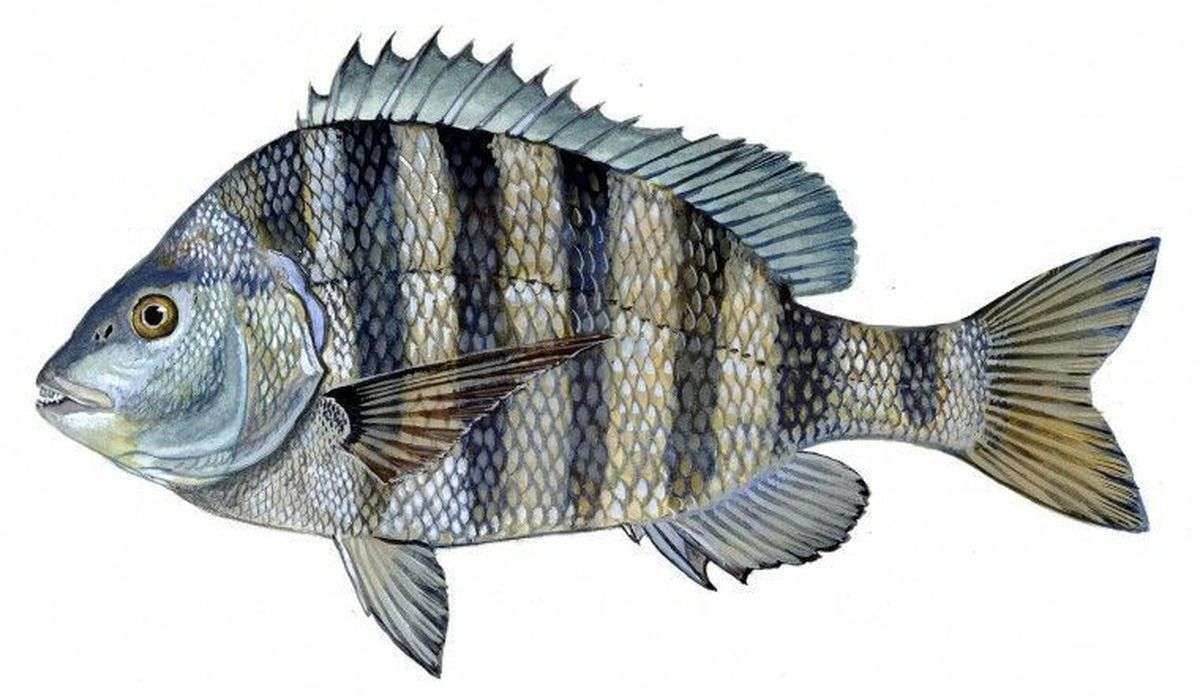
Sheepshead: With their distinctive black and white stripes and human-like teeth, sheepshead are a quirky and fun catch. They're known as the "convict fish" due to their striped appearance. Sheepshead are notoriously tricky to hook because they're expert bait stealers, but that just makes it more rewarding when you land one. Winter is the best time to target these tasty fish.
African Pompano: While not as common inshore, we might get lucky and hook into one of these silvery powerhouses. African pompano are prized for their fighting ability and their sleek, streamlined bodies. They're often found around structures like wrecks or reefs. Landing one of these beauties would definitely be a highlight of your trip!
Why Anglers Keep Coming Back
Bonita Springs is a hidden gem for inshore fishing. The protected waters mean we can fish in comfort, even when the open Gulf is too rough. There's a fantastic mix of species to target, from the hard-pulling redfish to the crafty snook. Plus, the scenery can't be beat - you might spot dolphins, manatees, or all kinds of shore birds while we're out. It's the kind of place where every trip is different, and there's always something new to see or catch.
Time to Book Your Spot
Whether you're looking to introduce the kids to fishing, want a fun morning out with friends, or just want to try your hand at landing some of Florida's famous gamefish, this trip has got you covered. With all gear provided and a captain who knows these waters like the back of their hand, you're set up for a great day on the water. Remember, fishing isn't just about what you catch - it's about the memories you make and the stories you'll tell. So why not make your next Bonita Springs morning one to remember? The fish are waiting, and your spot on the boat is too. Book now and get ready to discover why they call this the Fishing Capital of the World!
Learn more about the species
African Pompano
African Pompano are a real treat to catch around here. These silvery, round fish typically hang out in 30 to 250 feet of water near the bottom. Adults can get pretty big - up to 50 pounds! They're fast swimmers that roam long distances, so you never know when you might hook into one. Spring and fall are prime times to target them. Pompano put up an exciting fight and taste great too. They love shiny, moving lures, so we'll often use jigs or live bait to entice a strike. A local trick is to look for diving birds - that can signal Pompano feeding near the surface. Just be ready for some acrobatics when you hook one - these fish can really leap!
Black Drum
Black Drum are the big cousins of redfish, and they can get huge - up to 90 pounds! Most we catch are in the 5-30 pound range though. You'll find them in brackish waters and estuaries, often around oyster beds and mudflats. Spring is prime time when they school up to spawn. Black Drum make a distinctive croaking sound, which is pretty cool to hear. They're not the prettiest fish, but put up a good fight and smaller ones are tasty. Live bait like crabs or clams work best. A local trick is to fish the bottom near bridge pilings - Drum love to hang out there. Just be ready for a stubborn battle if you hook a big one!
Redfish
Redfish are a staple in our waters, and for good reason. These bronze beauties with the trademark tail spot love shallow flats and mangrove shorelines. Most run 20-30 inches, but big bulls over 40 inches aren't uncommon. Fall is prime time when they school up, but you can catch them year-round. Reds put up a great fight, often making powerful runs when hooked. They're also excellent table fare. Look for them tailing in skinny water or cruising along mangrove edges. Soft plastics, spoons, and live bait all work well. A local trick is to fish potholes on the flats during low tide - redfish love to hole up there waiting for the water to rise.
Sheepshead
Sheepshead are a real favorite around here. These striped "convict fish" typically run 1-8 pounds but can get up to 20. You'll find them around any structure with barnacles - docks, bridges, reefs. They've got human-like teeth perfect for crunching crustaceans. Spring is prime time when they school up to spawn. Sheepshead are notorious bait stealers, so you've got to be quick on the hook-set. They put up a good scrap for their size and taste great too. Live bait like fiddler crabs or shrimp works best. Here's a local tip: scrape some barnacles off a piling to chum them up, then drop your bait right in the middle of the action.
Snook
Snook are one of our most popular inshore game fish here in Bonita Springs. These sleek predators with their distinctive black lateral line love to hang around mangroves, docks, and other structure. Most run 1-3 feet long, but big ones over 40 inches aren't unheard of. Spring and fall are prime seasons when snook gather to spawn near passes and inlets. They're ambush feeders, so working lures or live bait around cover is key. Snook put up an amazing fight with powerful runs and acrobatic leaps. They're also excellent eating, though heavily regulated. A local tip: fish the edges of mangrove shorelines on an incoming tide for your best shot at a trophy snook.
About the Black Irish Charters
%2F%2Fusers%2F26a80541-168f-4cdd-9a5a-dde69dc62cfb%2Fvehicle_picture%2Fscreenshot2024-12-13015412.png&w=1920&q=75)
Vehicle Guest Capacity: 4
Manufacturer Name: Mercury
Maximum Cruising Speed: 20
Number of Engines: 1
Horsepower per Engine: 150